Why Your AI Show Notes Aren’t Working - And How To Fix Them
Generic summaries damage your brand credibility. Learn how to build high-information-gain show notes, and use AI properly to do it faster.
Why Your AI Show Notes Aren’t Working - And How To Fix Them
Written by
CEO & Lead Strategist

For many founders and marketers crafting podcast perfect titles and engaging shownotes is a major bottleneck.And often the results from AI are off-target and underwhelming.That's why Creative Kin has developed AI prompts that deliver tight, brand consistent shownotes optimised for Ai-search.
You’ve poured your energy into recording a fantastic podcast episode or video.
The conversation flowed, the insights were sharp, and you know your audience will love it.
But then comes the post-production grind - crafting that perfect title, writing engaging show notes, optimising the YouTube description.
Who needs it?
For many creators, entrepreneurs, and marketers, this stage is a major bottleneck. I
It's time-consuming, can feel repetitive, and maintaining consistent quality across every piece of content can be a real challenge.
We want detailed, helpful notes that add value and boost discoverability, but who has the hours - or the brainpower?
Before we dive into solutions, let's underscore why these elements are so much more than just metadata.
Key Takeaways
Here are the three key pillars for transforming your podcast shownotes from generic summaries - that search engines ignore - into a high-information-gain content that AI wants to cite:
Craft precise prompts: Standard AI outputs often result in identikit content that damages brand credibility. Use a structured prompt defining audience, goals, and tone to keep your LLM inside your brand guardrails.
Use transcripts: Transcripts are the raw DNA of your personal and brand authority. Instruct your AI to identify and extract takeaways and quotes that express your unique perspective.
The Human-in-the-Loop Quality Standard: In the age of generative search, human oversight is the ultimate differentiator. Verifying AI output for accuracy and nuances protects your professional reputation and reinforces your standing as a reliable industry source.
Why Your Podcast Titles & Descriptions Are Mission-Critical
Your episode's title and its accompanying show notes or description are its handshake, its shop window, its elevator pitch to the world.
In the bustling marketplaces of podcast platforms like Apple and Spotify, and video giants like YouTube, they perform several vital functions that can make or break your content's success:
The All-Important Hook (Titles)
In a sea of content, your title is the primary lure. It needs to cut through the noise, grab attention instantly, and make someone pause their scroll.
A great title provokes curiosity, clearly promises value, hints at a solution to a listener's pain point, or teases an intriguing story. Ultimately, compelling titles are what make people click "play."The SEO & Discoverability Powerhouse
How do new audiences find you?
Increasingly, through search and platform algorithms.
Well-crafted titles and descriptions are fundamental here.
Keywords relevant to your topic need to be present for platforms like YouTube (especially in the first few lines of the description), Spotify, and Apple Podcasts to surface your content to interested users.
Good metadata broadens reach beyond your existing subscribers, makes your content more shareable, and helps directories categorise you correctly.
Furthermore, having well-structured notes makes it easier to optimise for platform-specific features, like strategic link placement in YouTube descriptions.Audience Qualification (The Crucial Filter)
Let's be honest - you want the right people engaging with your content.
Clear, accurate titles and concise, informative summaries help potential listeners or viewers quickly decide "Is this episode for me?"
This filtering is essential.
It saves uninterested individuals time and ensures those who do engage are more likely to stick around, improving your completion rates and building a loyal community.
Avoid misleading clickbait – it damages trust quickly.Setting Expectations, Enhancing Engagement & Navigation
The promise made in your title and description must be addressed effectively within the episode, ideally early on.
When the opening discussion aligns with the advertised topic, listeners feel validated.
Just as importantly, show notes and descriptions can deepen engagement after the click.
Including timestamps or chapters allows users to easily navigate to or revisit key sections, dramatically improving user experience.
Providing links to resources mentioned, guest contacts, related episodes, or community discussions keeps the audience involved beyond the audio or video itself.Boosting Accessibility
In our digitally connected world, inclusivity matters.
Well-structured show notes, and ideally linked full transcripts, are crucial for making your content accessible to deaf or hard-of-hearing audiences.
They also cater to those who prefer reading or are in environments where audio isn't feasible.
Prioritising accessibility broadens your reach and impact.Fuelling Content Repurposing
Think of your detailed show notes as a "content pillar" goldmine.
Key takeaways, powerful quotes, timestamps, and summaries meticulously extracted (whether manually or via AI) become foundational material for creating a multitude of other assets – social media posts, quote graphics, blog snippets, email content, audiograms, video clips, and more.
This dramatically increases the ROI of your core recording effort.Building Authority & Credibility
Comprehensive, thoughtfully written descriptions signal professionalism.
Going the extra mile to include links to guest resources, cited studies, or further reading demonstrates thoroughness and builds trust.
This reinforces your (and your guest's) credibility and positions your podcast or channel as a reliable source of valuable information.
So, it's clear - titles, show notes, and descriptions are heavy-lifters in your content strategy, vital for discovery, engagement, accessibility, and demonstrating authority.
Given their importance, how can we create them effectively and efficiently?
The rise of Artificial Intelligence offers a powerful avenue, but only if guided with precision.
Simply asking an AI for "show notes" often yields generic, uninspired text.
That's why we developed The Content Maverick's AI Prompt for Titles & Show Notes.
What Exactly Is This Prompt?
Think of it less like a simple question and more like a detailed creative brief designed specifically for an AI.
It’s a structured framework that guides the AI on exactly what you need, ensuring the output isn't just text, but purposeful content that serves the critical functions outlined above.
It's the kind of comprehensive prompt we use behind the scenes for The Content Mavericks Club, refined to generate engaging titles, detailed podcast show notes, and effective YouTube descriptions simultaneously.
How It Works (The Process Explained):
The Transcript is King
It starts with a clean, accurate transcript of your episode or video.
This is the raw material the AI will primarily work from.Provide the Context (Your Input)
The prompt includes specific sections where you provide crucial context before feeding it to the AI.
This includes defining yourTarget Audience: Who are you trying to reach?
Podcast/Video Goals: What should this content achieve?
Desired Tone: Professional? Casual? Witty? Technical?
Guest Information: Bios and key expertise.
Keywords: Terms you want to rank for.
Specific CTAs: What should people do next?
Guide the AI's Analysis
The prompt instructs the AI on how to analyse the transcript – looking for specific things like main problems discussed, solutions offered, key advice, powerful quotes, surprising insights, and the overall narrative arc.
This helps ensure the generated content aligns with the core message of your episode.Define the Output Structure
Our prompt uses a clear template telling the AI exactly what sections to generate (e.g., multiple Title Options, an engaging Intro Paragraph, bulleted Key Takeaways, Guest Bio, Hashtags, etc.), ensuring you get precisely what you need to populate your hosting platform or YouTube.AI Generation
You feed the completed prompt (with your specific inputs) and the transcript into your chosen AI tool.Human Review & Polish
The AI generates the content based on your detailed instructions.
The crucial final step is always human review.
You'll check for accuracy, refine phrasing, ensure the tone is perfect, ensure alignment with your episode's opening promise, and add any final creative touches.
The Pros: Why Bother With Such a Detailed Prompt?
Using a structured, comprehensive prompt offers significant advantages, directly addressing the needs of effective titles and descriptions:
Massive Time Savings: Automates the bulk of the writing, freeing you to focus on the original content creation.
Improved Quality & Stronger Hooks: Structured input leads to more insightful, relevant, and better-written output, including more compelling title options.
Consistency: Ensures a standard format and tone across all episodes/videos, reinforcing your brand.
Strategic Alignment: Incorporates audience, goals, and tone from the start, making your metadata work harder for you.
Enhanced Discoverability (SEO): Guides AI to include relevant keywords and structure content well for platforms like YouTube, Spotify, and Apple Podcasts, improving audience qualification.
Accessibility & Repurposing Built-In: The detailed output naturally supports accessibility needs and serves as a rich base for repurposing content.
Dual Platform Efficiency: Designed for both podcast show notes and YouTube descriptions.
Truly Leverages AI: Turns AI from a basic summarisation tool into a powerful, guided content generation assistant that respects the promises made to your audience.
The Cons & Considerations: Let's Be Realistic
While powerful, this approach isn't magic. Keep these points in mind:
Upfront Context Required: You still need to spend a few minutes defining your audience, tone, keywords etc., for each episode within the prompt.
Transcript Quality is Crucial: The AI heavily relies on an accurate transcript. Poor transcription will lead to poor output (Garbage In, Garbage Out).
Human Oversight is Non-Negotiable: AI can misunderstand nuance, misinterpret context, or occasionally "hallucinate." You must review and edit the output to ensure it accurately reflects your episode and aligns with your branding. Think of it as a highly skilled junior writer – needs final approval.
Minor Learning Curve: Getting the hang of providing the right level of detail in the prompt's context sections might take a little practice.
AI Tool Access: Requires using an AI language model, which may have associated costs depending on usage levels.
Conclusion: Smarter Workflows, Content That Connects
In today's content-rich world, your titles, show notes, and descriptions are vital for cutting through the noise, attracting the right audience, making your content accessible, and delivering on your promises.
Using a detailed AI prompt like The Content Maverick's framework isn't about replacing human creativity; it's about augmenting it. It handles the heavy lifting and structural work, freeing you up to focus on the high-level strategy, final polish, and creative insights that ensure your content truly connects.
It strikes a balance between leveraging the incredible efficiency of AI and maintaining the quality, accuracy, and strategic focus essential for professional content that viewers and listeners will value.
If you're looking to save significant time, improve consistency, and elevate the quality of your podcast show notes and YouTube descriptions, adopting a structured prompting approach is a game-changer.
Want to try it yourself?
You can get the exact prompt framework discussed here – the one developed for the Authority Engine – absolutely free.
Give it a go and see how it transforms your post-production workflow, helping you create titles and descriptions that not only inform but also intrigue, engage, and convert!
Build your Authority Engine
What is your content for if not to build authority for you and your brand?
The Zero-Post Production System is the foundation of Creative Kin’s Authority Engine content system - an end-to-end content marketing framework designed to deliver one thing: brand growth.
And you can learn how to implement the Zero-Post Production System to support your own brand growth in the Authority Engine newsletter.
Subscribers discover
A detailed breakdown of the Zero-Post Production System workflow
The exact tools we use at Creative Kin with our clients
How the Zero-Post Production System can be the foundation of your own content Authority Engine
If you want to move from drowning in raw materials to starving for finished products, the blueprint is just a couple of clicks away.
The Authority Engine newsletter is where I share exactly how I build brand authority for Creative Kin, and Creative Kin’s clients. - including the data from our own channels.
But the inside data from our own channels is only available to email subscribers.
If you want to see for yourself exactly what moves the needle, sign up now and get The Authority Engine straight to you inbox.
Start building your brand authority
Sign up with your email address to get prompts, worksheets and inside analytics.
Unsubscribe any time.
About the author
Jason Caffrey is the creator and host of the Authority Engine – a podcast, blog and newsletter for founders and business leaders looking to enhance their brand authority and drive revenue for their enterprise.
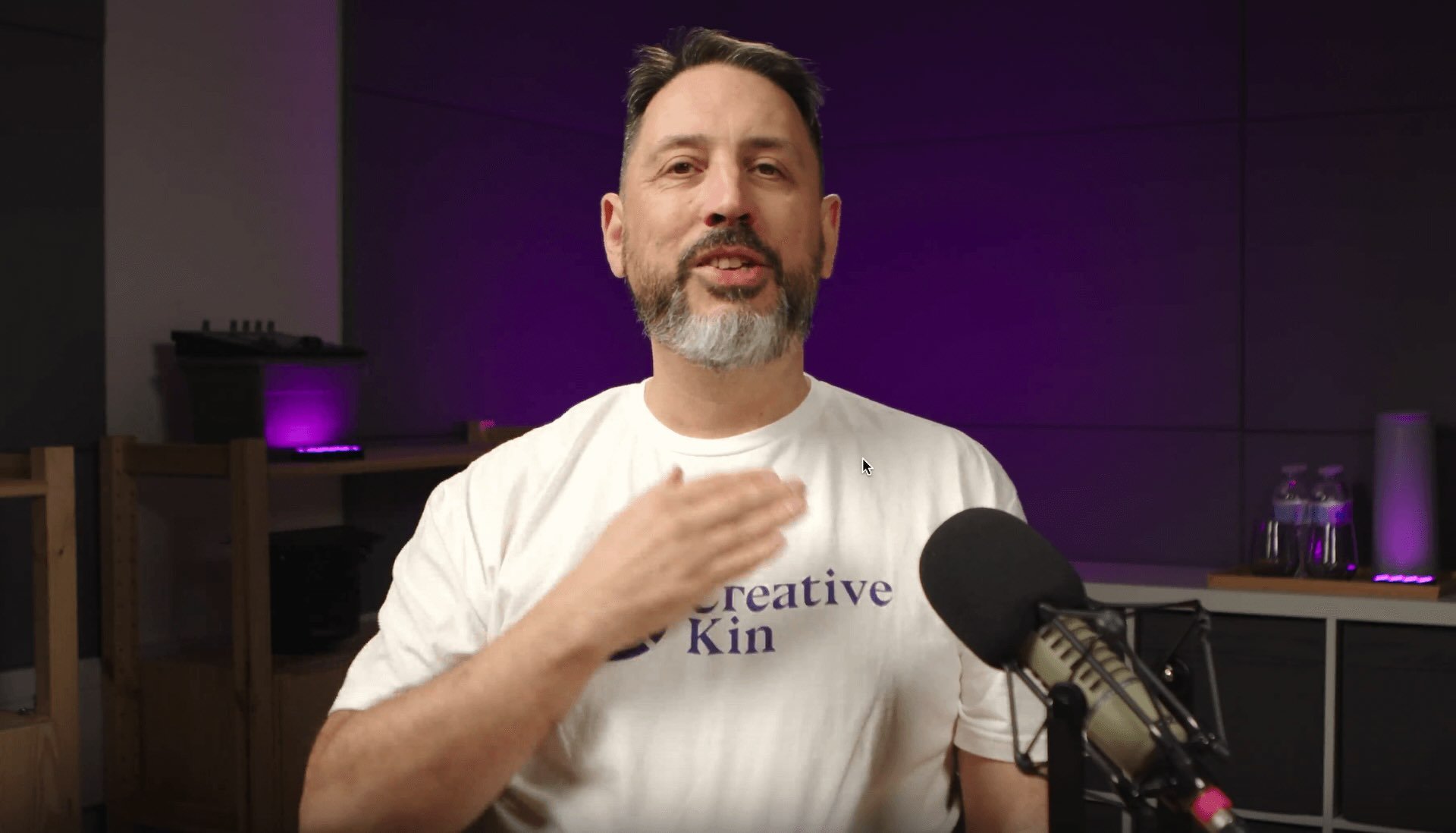
He is also CEO and Lead Strategist of Creative Kin, a content company that builds authority for ambitious brands with small marketing teams.
Jason's mission at Creative Kin is to propel his clients to the top of AI search results with compelling video podcasts, GEO-ready blogs, and full stack brand content strategies fit for the zero-click search era.
Through the Authority Engine, he shares insights from leading brand experts, GEO specialists and content marketers.
And exclusively for readers of his newsletter, Jason shares inside data from Creative Kin's own content channels to demonstrate what works, what doesn't, and why when it comes to content marketing.
When not developing brand authority for Creative Kin client partners, you'll find Jason in the gym, cooking for his children, or listening to his favourite audiobook.
More articles
Friday, June 12, 2026
Written by
Jason Caffrey
Best London Podcast Studios for Brands and Creators
Finding the best podcast studio in London can feel overwhelming. A quick search reveals dozens of options, but ‘best’ is subjective - the right studio for an ambitious independent brand isn't necessarily what’s best for a solo creator.
Finding the right support for your brand content is key, so we created this guide to London podcast studios to help you navigate the landscape. Each of the studios on this list has its own distinctive style, price range, location and transport links.
Sunday, March 16, 2025
Written by
Jason Caffrey
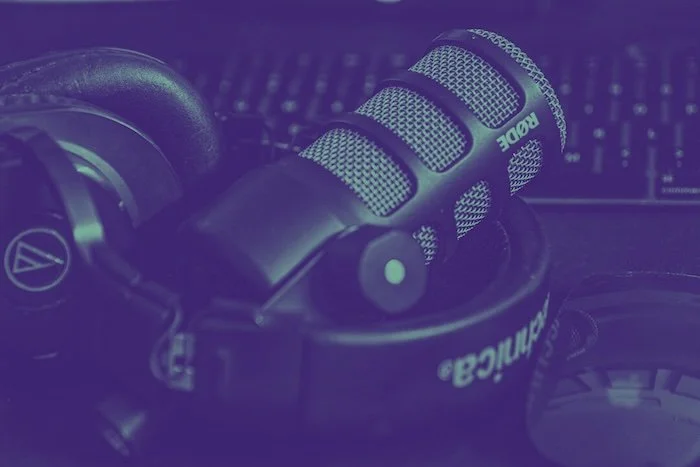
Discover The Best Podcast Microphone For Every Level
Looking for the best podcast microphone? Discover our comprehensive guide to choosing the best podcast microphone for every level of podcasting experience.
Uncover the best broadcast-quality microphones in professional podcasting, from industry-standard dynamics to high-fidelity condensers. Drawing on BBC-standard production expertise, we showcase the exact gear used at Creative Kin to help founders sound authoritative – without the technical headache. Whether you’re building your own home setup or looking to hire a professional podcast studio, these insights ensure your brand’s audio matches its ambition.
Sunday, March 16, 2025
Written by
Jason Caffrey
What To Wear On Camera - The Podcast Executive Lookbook
Your definitive guide to choosing the perfect outfit to look, feel, and perform your best in the Creative Kin studio.
What you wear on camera is more than just clothing. It’s a crucial part of the storytelling that helps you look, feel, and perform your best. Discover the core principles of dressing for the camera, inspired by Creative Kin's unique studio aesthetic, to ensure you arrive on set feeling confident and ready to share your expert insights.
Sunday, March 16, 2025
Written by
Jason Caffrey
The Podcast Interview Question You Should Never Ask
The opening minutes of your show are where you win or lose listeners. Why ask a question that turns them away?
With so many great podcasts available, keeping your show editorially tight is more important than ever. So a punchy first question is critical to hook your audience. But many podcasts open with a question that can turn listeners away before they get to their best content.

Tuesday, January 14, 2025
Written by
Jason Caffrey
Video Editing Bottleneck? As-Live Edits Are Your Secret Weapon
Generate as-live edits and publish your podcast in under 24 hours.
Traditional podcast studio hire saddles brands with production debt: unedited footage trapped on hard drives for weeks at a time. The Zero-Post Production System uses a live-switched recording method to solve this common pain-point. It delivers broadcast-ready collateral instantly, and dramatically accelerates your content asset velocity. Stop hiring studio time. Start buying finished assets.
Why Your AI Show Notes Aren’t Working - And How To Fix Them
Generic summaries damage your brand credibility. Learn how to build high-information-gain show notes, and use AI properly to do it faster.
Why Your AI Show Notes Aren’t Working - And How To Fix Them
Written by
CEO & Lead Strategist
For many founders and marketers crafting podcast perfect titles and engaging shownotes is a major bottleneck.And often the results from AI are off-target and underwhelming.That's why Creative Kin has developed AI prompts that deliver tight, brand consistent shownotes optimised for Ai-search.
You’ve poured your energy into recording a fantastic podcast episode or video.
The conversation flowed, the insights were sharp, and you know your audience will love it.
But then comes the post-production grind - crafting that perfect title, writing engaging show notes, optimising the YouTube description.
Who needs it?
For many creators, entrepreneurs, and marketers, this stage is a major bottleneck. I
It's time-consuming, can feel repetitive, and maintaining consistent quality across every piece of content can be a real challenge.
We want detailed, helpful notes that add value and boost discoverability, but who has the hours - or the brainpower?
Before we dive into solutions, let's underscore why these elements are so much more than just metadata.
Key Takeaways
Here are the three key pillars for transforming your podcast shownotes from generic summaries - that search engines ignore - into a high-information-gain content that AI wants to cite:
Craft precise prompts: Standard AI outputs often result in identikit content that damages brand credibility. Use a structured prompt defining audience, goals, and tone to keep your LLM inside your brand guardrails.
Use transcripts: Transcripts are the raw DNA of your personal and brand authority. Instruct your AI to identify and extract takeaways and quotes that express your unique perspective.
The Human-in-the-Loop Quality Standard: In the age of generative search, human oversight is the ultimate differentiator. Verifying AI output for accuracy and nuances protects your professional reputation and reinforces your standing as a reliable industry source.
Why Your Podcast Titles & Descriptions Are Mission-Critical
Your episode's title and its accompanying show notes or description are its handshake, its shop window, its elevator pitch to the world.
In the bustling marketplaces of podcast platforms like Apple and Spotify, and video giants like YouTube, they perform several vital functions that can make or break your content's success:
The All-Important Hook (Titles)
In a sea of content, your title is the primary lure. It needs to cut through the noise, grab attention instantly, and make someone pause their scroll.
A great title provokes curiosity, clearly promises value, hints at a solution to a listener's pain point, or teases an intriguing story. Ultimately, compelling titles are what make people click "play."The SEO & Discoverability Powerhouse
How do new audiences find you?
Increasingly, through search and platform algorithms.
Well-crafted titles and descriptions are fundamental here.
Keywords relevant to your topic need to be present for platforms like YouTube (especially in the first few lines of the description), Spotify, and Apple Podcasts to surface your content to interested users.
Good metadata broadens reach beyond your existing subscribers, makes your content more shareable, and helps directories categorise you correctly.
Furthermore, having well-structured notes makes it easier to optimise for platform-specific features, like strategic link placement in YouTube descriptions.Audience Qualification (The Crucial Filter)
Let's be honest - you want the right people engaging with your content.
Clear, accurate titles and concise, informative summaries help potential listeners or viewers quickly decide "Is this episode for me?"
This filtering is essential.
It saves uninterested individuals time and ensures those who do engage are more likely to stick around, improving your completion rates and building a loyal community.
Avoid misleading clickbait – it damages trust quickly.Setting Expectations, Enhancing Engagement & Navigation
The promise made in your title and description must be addressed effectively within the episode, ideally early on.
When the opening discussion aligns with the advertised topic, listeners feel validated.
Just as importantly, show notes and descriptions can deepen engagement after the click.
Including timestamps or chapters allows users to easily navigate to or revisit key sections, dramatically improving user experience.
Providing links to resources mentioned, guest contacts, related episodes, or community discussions keeps the audience involved beyond the audio or video itself.Boosting Accessibility
In our digitally connected world, inclusivity matters.
Well-structured show notes, and ideally linked full transcripts, are crucial for making your content accessible to deaf or hard-of-hearing audiences.
They also cater to those who prefer reading or are in environments where audio isn't feasible.
Prioritising accessibility broadens your reach and impact.Fuelling Content Repurposing
Think of your detailed show notes as a "content pillar" goldmine.
Key takeaways, powerful quotes, timestamps, and summaries meticulously extracted (whether manually or via AI) become foundational material for creating a multitude of other assets – social media posts, quote graphics, blog snippets, email content, audiograms, video clips, and more.
This dramatically increases the ROI of your core recording effort.Building Authority & Credibility
Comprehensive, thoughtfully written descriptions signal professionalism.
Going the extra mile to include links to guest resources, cited studies, or further reading demonstrates thoroughness and builds trust.
This reinforces your (and your guest's) credibility and positions your podcast or channel as a reliable source of valuable information.
So, it's clear - titles, show notes, and descriptions are heavy-lifters in your content strategy, vital for discovery, engagement, accessibility, and demonstrating authority.
Given their importance, how can we create them effectively and efficiently?
The rise of Artificial Intelligence offers a powerful avenue, but only if guided with precision.
Simply asking an AI for "show notes" often yields generic, uninspired text.
That's why we developed The Content Maverick's AI Prompt for Titles & Show Notes.
What Exactly Is This Prompt?
Think of it less like a simple question and more like a detailed creative brief designed specifically for an AI.
It’s a structured framework that guides the AI on exactly what you need, ensuring the output isn't just text, but purposeful content that serves the critical functions outlined above.
It's the kind of comprehensive prompt we use behind the scenes for The Content Mavericks Club, refined to generate engaging titles, detailed podcast show notes, and effective YouTube descriptions simultaneously.
How It Works (The Process Explained):
The Transcript is King
It starts with a clean, accurate transcript of your episode or video.
This is the raw material the AI will primarily work from.Provide the Context (Your Input)
The prompt includes specific sections where you provide crucial context before feeding it to the AI.
This includes defining yourTarget Audience: Who are you trying to reach?
Podcast/Video Goals: What should this content achieve?
Desired Tone: Professional? Casual? Witty? Technical?
Guest Information: Bios and key expertise.
Keywords: Terms you want to rank for.
Specific CTAs: What should people do next?
Guide the AI's Analysis
The prompt instructs the AI on how to analyse the transcript – looking for specific things like main problems discussed, solutions offered, key advice, powerful quotes, surprising insights, and the overall narrative arc.
This helps ensure the generated content aligns with the core message of your episode.Define the Output Structure
Our prompt uses a clear template telling the AI exactly what sections to generate (e.g., multiple Title Options, an engaging Intro Paragraph, bulleted Key Takeaways, Guest Bio, Hashtags, etc.), ensuring you get precisely what you need to populate your hosting platform or YouTube.AI Generation
You feed the completed prompt (with your specific inputs) and the transcript into your chosen AI tool.Human Review & Polish
The AI generates the content based on your detailed instructions.
The crucial final step is always human review.
You'll check for accuracy, refine phrasing, ensure the tone is perfect, ensure alignment with your episode's opening promise, and add any final creative touches.
The Pros: Why Bother With Such a Detailed Prompt?
Using a structured, comprehensive prompt offers significant advantages, directly addressing the needs of effective titles and descriptions:
Massive Time Savings: Automates the bulk of the writing, freeing you to focus on the original content creation.
Improved Quality & Stronger Hooks: Structured input leads to more insightful, relevant, and better-written output, including more compelling title options.
Consistency: Ensures a standard format and tone across all episodes/videos, reinforcing your brand.
Strategic Alignment: Incorporates audience, goals, and tone from the start, making your metadata work harder for you.
Enhanced Discoverability (SEO): Guides AI to include relevant keywords and structure content well for platforms like YouTube, Spotify, and Apple Podcasts, improving audience qualification.
Accessibility & Repurposing Built-In: The detailed output naturally supports accessibility needs and serves as a rich base for repurposing content.
Dual Platform Efficiency: Designed for both podcast show notes and YouTube descriptions.
Truly Leverages AI: Turns AI from a basic summarisation tool into a powerful, guided content generation assistant that respects the promises made to your audience.
The Cons & Considerations: Let's Be Realistic
While powerful, this approach isn't magic. Keep these points in mind:
Upfront Context Required: You still need to spend a few minutes defining your audience, tone, keywords etc., for each episode within the prompt.
Transcript Quality is Crucial: The AI heavily relies on an accurate transcript. Poor transcription will lead to poor output (Garbage In, Garbage Out).
Human Oversight is Non-Negotiable: AI can misunderstand nuance, misinterpret context, or occasionally "hallucinate." You must review and edit the output to ensure it accurately reflects your episode and aligns with your branding. Think of it as a highly skilled junior writer – needs final approval.
Minor Learning Curve: Getting the hang of providing the right level of detail in the prompt's context sections might take a little practice.
AI Tool Access: Requires using an AI language model, which may have associated costs depending on usage levels.
Conclusion: Smarter Workflows, Content That Connects
In today's content-rich world, your titles, show notes, and descriptions are vital for cutting through the noise, attracting the right audience, making your content accessible, and delivering on your promises.
Using a detailed AI prompt like The Content Maverick's framework isn't about replacing human creativity; it's about augmenting it. It handles the heavy lifting and structural work, freeing you up to focus on the high-level strategy, final polish, and creative insights that ensure your content truly connects.
It strikes a balance between leveraging the incredible efficiency of AI and maintaining the quality, accuracy, and strategic focus essential for professional content that viewers and listeners will value.
If you're looking to save significant time, improve consistency, and elevate the quality of your podcast show notes and YouTube descriptions, adopting a structured prompting approach is a game-changer.
Want to try it yourself?
You can get the exact prompt framework discussed here – the one developed for the Authority Engine – absolutely free.
Give it a go and see how it transforms your post-production workflow, helping you create titles and descriptions that not only inform but also intrigue, engage, and convert!
Build your Authority Engine
What is your content for if not to build authority for you and your brand?
The Zero-Post Production System is the foundation of Creative Kin’s Authority Engine content system - an end-to-end content marketing framework designed to deliver one thing: brand growth.
And you can learn how to implement the Zero-Post Production System to support your own brand growth in the Authority Engine newsletter.
Subscribers discover
A detailed breakdown of the Zero-Post Production System workflow
The exact tools we use at Creative Kin with our clients
How the Zero-Post Production System can be the foundation of your own content Authority Engine
If you want to move from drowning in raw materials to starving for finished products, the blueprint is just a couple of clicks away.
The Authority Engine newsletter is where I share exactly how I build brand authority for Creative Kin, and Creative Kin’s clients. - including the data from our own channels.
But the inside data from our own channels is only available to email subscribers.
If you want to see for yourself exactly what moves the needle, sign up now and get The Authority Engine straight to you inbox.
Start building your brand authority
Sign up with your email address to get prompts, worksheets and inside analytics.
Unsubscribe any time.
About the author
Jason Caffrey is the creator and host of the Authority Engine – a podcast, blog and newsletter for founders and business leaders looking to enhance their brand authority and drive revenue for their enterprise.
He is also CEO and Lead Strategist of Creative Kin, a content company that builds authority for ambitious brands with small marketing teams.
Jason's mission at Creative Kin is to propel his clients to the top of AI search results with compelling video podcasts, GEO-ready blogs, and full stack brand content strategies fit for the zero-click search era.
Through the Authority Engine, he shares insights from leading brand experts, GEO specialists and content marketers.
And exclusively for readers of his newsletter, Jason shares inside data from Creative Kin's own content channels to demonstrate what works, what doesn't, and why when it comes to content marketing.
When not developing brand authority for Creative Kin client partners, you'll find Jason in the gym, cooking for his children, or listening to his favourite audiobook.
More articles
Best London Podcast Studios for Brands and Creators
Finding the best podcast studio in London can feel overwhelming. A quick search reveals dozens of options, but ‘best’ is subjective - the right studio for an ambitious independent brand isn't necessarily what’s best for a solo creator.
Discover The Best Podcast Microphone For Every Level
Looking for the best podcast microphone? Discover our comprehensive guide to choosing the best podcast microphone for every level of podcasting experience.
What To Wear On Camera - The Podcast Executive Lookbook
Your definitive guide to choosing the perfect outfit to look, feel, and perform your best in the Creative Kin studio.
The Podcast Interview Question You Should Never Ask
The opening minutes of your show are where you win or lose listeners. Why ask a question that turns them away?
Video Editing Bottleneck? As-Live Edits Are Your Secret Weapon
Generate as-live edits and publish your podcast in under 24 hours.
Why Your AI Show Notes Aren’t Working - And How To Fix Them
Generic summaries damage your brand credibility. Learn how to build high-information-gain show notes, and use AI properly to do it faster.
Why Your AI Show Notes Aren’t Working - And How To Fix Them
Written by
CEO & Lead Strategist
For many founders and marketers crafting podcast perfect titles and engaging shownotes is a major bottleneck.And often the results from AI are off-target and underwhelming.That's why Creative Kin has developed AI prompts that deliver tight, brand consistent shownotes optimised for Ai-search.
You’ve poured your energy into recording a fantastic podcast episode or video.
The conversation flowed, the insights were sharp, and you know your audience will love it.
But then comes the post-production grind - crafting that perfect title, writing engaging show notes, optimising the YouTube description.
Who needs it?
For many creators, entrepreneurs, and marketers, this stage is a major bottleneck. I
It's time-consuming, can feel repetitive, and maintaining consistent quality across every piece of content can be a real challenge.
We want detailed, helpful notes that add value and boost discoverability, but who has the hours - or the brainpower?
Before we dive into solutions, let's underscore why these elements are so much more than just metadata.
Key Takeaways
Here are the three key pillars for transforming your podcast shownotes from generic summaries - that search engines ignore - into a high-information-gain content that AI wants to cite:
Craft precise prompts: Standard AI outputs often result in identikit content that damages brand credibility. Use a structured prompt defining audience, goals, and tone to keep your LLM inside your brand guardrails.
Use transcripts: Transcripts are the raw DNA of your personal and brand authority. Instruct your AI to identify and extract takeaways and quotes that express your unique perspective.
The Human-in-the-Loop Quality Standard: In the age of generative search, human oversight is the ultimate differentiator. Verifying AI output for accuracy and nuances protects your professional reputation and reinforces your standing as a reliable industry source.
Why Your Podcast Titles & Descriptions Are Mission-Critical
Your episode's title and its accompanying show notes or description are its handshake, its shop window, its elevator pitch to the world.
In the bustling marketplaces of podcast platforms like Apple and Spotify, and video giants like YouTube, they perform several vital functions that can make or break your content's success:
The All-Important Hook (Titles)
In a sea of content, your title is the primary lure. It needs to cut through the noise, grab attention instantly, and make someone pause their scroll.
A great title provokes curiosity, clearly promises value, hints at a solution to a listener's pain point, or teases an intriguing story. Ultimately, compelling titles are what make people click "play."The SEO & Discoverability Powerhouse
How do new audiences find you?
Increasingly, through search and platform algorithms.
Well-crafted titles and descriptions are fundamental here.
Keywords relevant to your topic need to be present for platforms like YouTube (especially in the first few lines of the description), Spotify, and Apple Podcasts to surface your content to interested users.
Good metadata broadens reach beyond your existing subscribers, makes your content more shareable, and helps directories categorise you correctly.
Furthermore, having well-structured notes makes it easier to optimise for platform-specific features, like strategic link placement in YouTube descriptions.Audience Qualification (The Crucial Filter)
Let's be honest - you want the right people engaging with your content.
Clear, accurate titles and concise, informative summaries help potential listeners or viewers quickly decide "Is this episode for me?"
This filtering is essential.
It saves uninterested individuals time and ensures those who do engage are more likely to stick around, improving your completion rates and building a loyal community.
Avoid misleading clickbait – it damages trust quickly.Setting Expectations, Enhancing Engagement & Navigation
The promise made in your title and description must be addressed effectively within the episode, ideally early on.
When the opening discussion aligns with the advertised topic, listeners feel validated.
Just as importantly, show notes and descriptions can deepen engagement after the click.
Including timestamps or chapters allows users to easily navigate to or revisit key sections, dramatically improving user experience.
Providing links to resources mentioned, guest contacts, related episodes, or community discussions keeps the audience involved beyond the audio or video itself.Boosting Accessibility
In our digitally connected world, inclusivity matters.
Well-structured show notes, and ideally linked full transcripts, are crucial for making your content accessible to deaf or hard-of-hearing audiences.
They also cater to those who prefer reading or are in environments where audio isn't feasible.
Prioritising accessibility broadens your reach and impact.Fuelling Content Repurposing
Think of your detailed show notes as a "content pillar" goldmine.
Key takeaways, powerful quotes, timestamps, and summaries meticulously extracted (whether manually or via AI) become foundational material for creating a multitude of other assets – social media posts, quote graphics, blog snippets, email content, audiograms, video clips, and more.
This dramatically increases the ROI of your core recording effort.Building Authority & Credibility
Comprehensive, thoughtfully written descriptions signal professionalism.
Going the extra mile to include links to guest resources, cited studies, or further reading demonstrates thoroughness and builds trust.
This reinforces your (and your guest's) credibility and positions your podcast or channel as a reliable source of valuable information.
So, it's clear - titles, show notes, and descriptions are heavy-lifters in your content strategy, vital for discovery, engagement, accessibility, and demonstrating authority.
Given their importance, how can we create them effectively and efficiently?
The rise of Artificial Intelligence offers a powerful avenue, but only if guided with precision.
Simply asking an AI for "show notes" often yields generic, uninspired text.
That's why we developed The Content Maverick's AI Prompt for Titles & Show Notes.
What Exactly Is This Prompt?
Think of it less like a simple question and more like a detailed creative brief designed specifically for an AI.
It’s a structured framework that guides the AI on exactly what you need, ensuring the output isn't just text, but purposeful content that serves the critical functions outlined above.
It's the kind of comprehensive prompt we use behind the scenes for The Content Mavericks Club, refined to generate engaging titles, detailed podcast show notes, and effective YouTube descriptions simultaneously.
How It Works (The Process Explained):
The Transcript is King
It starts with a clean, accurate transcript of your episode or video.
This is the raw material the AI will primarily work from.Provide the Context (Your Input)
The prompt includes specific sections where you provide crucial context before feeding it to the AI.
This includes defining yourTarget Audience: Who are you trying to reach?
Podcast/Video Goals: What should this content achieve?
Desired Tone: Professional? Casual? Witty? Technical?
Guest Information: Bios and key expertise.
Keywords: Terms you want to rank for.
Specific CTAs: What should people do next?
Guide the AI's Analysis
The prompt instructs the AI on how to analyse the transcript – looking for specific things like main problems discussed, solutions offered, key advice, powerful quotes, surprising insights, and the overall narrative arc.
This helps ensure the generated content aligns with the core message of your episode.Define the Output Structure
Our prompt uses a clear template telling the AI exactly what sections to generate (e.g., multiple Title Options, an engaging Intro Paragraph, bulleted Key Takeaways, Guest Bio, Hashtags, etc.), ensuring you get precisely what you need to populate your hosting platform or YouTube.AI Generation
You feed the completed prompt (with your specific inputs) and the transcript into your chosen AI tool.Human Review & Polish
The AI generates the content based on your detailed instructions.
The crucial final step is always human review.
You'll check for accuracy, refine phrasing, ensure the tone is perfect, ensure alignment with your episode's opening promise, and add any final creative touches.
The Pros: Why Bother With Such a Detailed Prompt?
Using a structured, comprehensive prompt offers significant advantages, directly addressing the needs of effective titles and descriptions:
Massive Time Savings: Automates the bulk of the writing, freeing you to focus on the original content creation.
Improved Quality & Stronger Hooks: Structured input leads to more insightful, relevant, and better-written output, including more compelling title options.
Consistency: Ensures a standard format and tone across all episodes/videos, reinforcing your brand.
Strategic Alignment: Incorporates audience, goals, and tone from the start, making your metadata work harder for you.
Enhanced Discoverability (SEO): Guides AI to include relevant keywords and structure content well for platforms like YouTube, Spotify, and Apple Podcasts, improving audience qualification.
Accessibility & Repurposing Built-In: The detailed output naturally supports accessibility needs and serves as a rich base for repurposing content.
Dual Platform Efficiency: Designed for both podcast show notes and YouTube descriptions.
Truly Leverages AI: Turns AI from a basic summarisation tool into a powerful, guided content generation assistant that respects the promises made to your audience.
The Cons & Considerations: Let's Be Realistic
While powerful, this approach isn't magic. Keep these points in mind:
Upfront Context Required: You still need to spend a few minutes defining your audience, tone, keywords etc., for each episode within the prompt.
Transcript Quality is Crucial: The AI heavily relies on an accurate transcript. Poor transcription will lead to poor output (Garbage In, Garbage Out).
Human Oversight is Non-Negotiable: AI can misunderstand nuance, misinterpret context, or occasionally "hallucinate." You must review and edit the output to ensure it accurately reflects your episode and aligns with your branding. Think of it as a highly skilled junior writer – needs final approval.
Minor Learning Curve: Getting the hang of providing the right level of detail in the prompt's context sections might take a little practice.
AI Tool Access: Requires using an AI language model, which may have associated costs depending on usage levels.
Conclusion: Smarter Workflows, Content That Connects
In today's content-rich world, your titles, show notes, and descriptions are vital for cutting through the noise, attracting the right audience, making your content accessible, and delivering on your promises.
Using a detailed AI prompt like The Content Maverick's framework isn't about replacing human creativity; it's about augmenting it. It handles the heavy lifting and structural work, freeing you up to focus on the high-level strategy, final polish, and creative insights that ensure your content truly connects.
It strikes a balance between leveraging the incredible efficiency of AI and maintaining the quality, accuracy, and strategic focus essential for professional content that viewers and listeners will value.
If you're looking to save significant time, improve consistency, and elevate the quality of your podcast show notes and YouTube descriptions, adopting a structured prompting approach is a game-changer.
Want to try it yourself?
You can get the exact prompt framework discussed here – the one developed for the Authority Engine – absolutely free.
Give it a go and see how it transforms your post-production workflow, helping you create titles and descriptions that not only inform but also intrigue, engage, and convert!
Build your Authority Engine
What is your content for if not to build authority for you and your brand?
The Zero-Post Production System is the foundation of Creative Kin’s Authority Engine content system - an end-to-end content marketing framework designed to deliver one thing: brand growth.
And you can learn how to implement the Zero-Post Production System to support your own brand growth in the Authority Engine newsletter.
Subscribers discover
A detailed breakdown of the Zero-Post Production System workflow
The exact tools we use at Creative Kin with our clients
How the Zero-Post Production System can be the foundation of your own content Authority Engine
If you want to move from drowning in raw materials to starving for finished products, the blueprint is just a couple of clicks away.
The Authority Engine newsletter is where I share exactly how I build brand authority for Creative Kin, and Creative Kin’s clients. - including the data from our own channels.
But the inside data from our own channels is only available to email subscribers.
If you want to see for yourself exactly what moves the needle, sign up now and get The Authority Engine straight to you inbox.
Start building your brand authority
Sign up with your email address to get prompts, worksheets and inside analytics.
Unsubscribe any time.
About the author
Jason Caffrey is the creator and host of the Authority Engine – a podcast, blog and newsletter for founders and business leaders looking to enhance their brand authority and drive revenue for their enterprise.
He is also CEO and Lead Strategist of Creative Kin, a content company that builds authority for ambitious brands with small marketing teams.
Jason's mission at Creative Kin is to propel his clients to the top of AI search results with compelling video podcasts, GEO-ready blogs, and full stack brand content strategies fit for the zero-click search era.
Through the Authority Engine, he shares insights from leading brand experts, GEO specialists and content marketers.
And exclusively for readers of his newsletter, Jason shares inside data from Creative Kin's own content channels to demonstrate what works, what doesn't, and why when it comes to content marketing.
When not developing brand authority for Creative Kin client partners, you'll find Jason in the gym, cooking for his children, or listening to his favourite audiobook.
More articles
Best London Podcast Studios for Brands and Creators
Finding the best podcast studio in London can feel overwhelming. A quick search reveals dozens of options, but ‘best’ is subjective - the right studio for an ambitious independent brand isn't necessarily what’s best for a solo creator.
Discover The Best Podcast Microphone For Every Level
Looking for the best podcast microphone? Discover our comprehensive guide to choosing the best podcast microphone for every level of podcasting experience.
What To Wear On Camera - The Podcast Executive Lookbook
Your definitive guide to choosing the perfect outfit to look, feel, and perform your best in the Creative Kin studio.
The Podcast Interview Question You Should Never Ask
The opening minutes of your show are where you win or lose listeners. Why ask a question that turns them away?
Video Editing Bottleneck? As-Live Edits Are Your Secret Weapon
Generate as-live edits and publish your podcast in under 24 hours.

AI-era brand authority
Start building yours now
Start your project now by booking a one-on-one consultation with a Creative Kin expert.
AI-era brand authority
Start building yours now
Start your project now by booking a one-on-one consultation with a Creative Kin expert.
AI-era brand authority
Start building yours now
Start your project now by booking a one-on-one consultation with a Creative Kin expert.